Understanding how vision measures change—or remain stable—over time is essential when evaluating adolescents recovering from concussion. Clinicians across disciplines frequently use vergence testing to screen for oculomotor deficits, track progress, and determine whether a referral or targeted intervention is needed. Until now, however, long-term precision data for these tests have been limited.
A new multi-site study published in Ophthalmic & Physiological Optics provides the strongest evidence to date on the 90-day test–retest reliability of commonly used clinical vergence measures in healthy adolescents. The findings offer clear, data-driven thresholds for interpreting meaningful change and have important implications for concussion care.
🔍 About the Study
Researchers evaluated 91 adolescents (ages 12–17.5) with normal binocular vision and no concussion history across 10 clinical sites. Participants completed a standardized battery of vergence tests at baseline and again 90 days later, including:
-
Near Point of Convergence (NPC)
-
Positive and Negative Fusional Vergences (PFV, NFV)
-
Vergence Facility
-
Vergence Jumps (Oculomotor Assessment Tool)
The goal: establish what amount of change reflects true physiologic difference versus normal variability.
📊 Key Findings
1. High Reliability for NPC & NFV
NPC and NFV demonstrated narrow 95% limits of agreement, meaning results remained highly consistent over 90 days.
These are the most stable measures and can be trusted when tracking recovery or response to intervention.
2. Greater Variability in PFV, Vergence Facility, and Vergence Jumps
These measures showed broader limits of agreement, largely influenced by measurement design—particularly the 5∆ step sizes on traditional prism bars for PFV values ≥20∆.
This introduces more “noise” in higher-value ranges, reducing precision.
3. Clinically Meaningful Change Thresholds
The study provides empirically derived cutoffs for what constitutes a true change:
| Test | Meaningful Change |
|---|---|
| NPC Break | ≥ 2.5 cm |
| NFV Break | ≥ 3–5∆ |
| PFV Break (values <20∆) | ≥ 4.9∆ |
| PFV Recovery (values <20∆) | ≥ 6.4∆ |
| Vergence Facility | ≥ 10 cpm |
| Vergence Jumps | ≥ 13–16 jumps/min |
These thresholds are critical for interpreting whether improvements or declines reflect actual physiologic change rather than measurement variability.
🏥 Implications for Clinical Practice &
Concussion Management
1. More Confident Interpretation of Vision Changes Post-Concussion
Oculomotor deficits—vergence inefficiency, convergence insufficiency, accommodative dysfunction—are highly prevalent in adolescents following concussion. Clinicians must determine whether changes over time reflect:
-
Natural recovery
-
A meaningful decline
-
A response to rehabilitation
-
Measurement error
With validated 90-day reliability data, providers can now interpret changes with greater diagnostic confidence.
For example:
If a patient's NPC improves by 1 cm over two weeks, this is within normal variability and may not reflect true clinical change.
But a 3 cm improvement exceeds the meaningful threshold—indicating legitimate recovery or treatment effect
2. Helps Guide Referral Decisions
Sports medicine physicians, physical therapists, ATs, and neurorehab clinicians often screen visual function in early concussion management.
Knowing which measures are stable over time helps determine when a finding warrants referral to optometry or neuro-ophthalmology.
-
NPC and NFV changes can be taken at face value with high confidence.
-
PFV results—especially above 20∆—should be interpreted more cautiously due to measurement constraints.
This prevents both premature referral and delayed care.
3. Enhances Treatment Planning for Vision Rehab Professionals
Optometrists and neuro-rehab clinicians rely on precise measures to:
-
Diagnose convergence insufficiency
-
Track rehabilitation progress
-
Adjust treatment plans
-
Document functional improvement
Having validated limits of agreement helps clinicians:
-
Set realistic expectations for rate of change
-
Avoid overinterpreting small fluctuations
-
Identify plateaus or regressions with greater accuracy
-
Communicate progress to families, athletes, and the care team
4. Supports Research and Outcome Tracking Across the Concussion Continuum
For programs using standardized outcomes—such as vision therapy clinics, concussion clinics, or interdisciplinary rehab teams—these reliability metrics allow:
-
More accurate data interpretation
-
Stronger internal research
-
Improved benchmarking
-
Consistent documentation across providers
This is especially meaningful for adolescents with prolonged recovery (>4 weeks), where small test changes are often used to guide return-to-learn and return-to-play planning.
5. Raises Awareness About Measurement Design Limitations
The study highlights a key issue: the nonlinear increments in prism bar step testing.
This creates inflated variability in PFV measures ≥20∆.
Clinical takeaway:
When PFV values are high, interpret changes more cautiously or consider using smooth vergence techniques (e.g., Risley prisms) when available.
🧠 Bottom Line for Concussion Care
This study provides foundational reliability data that strengthens the use of vergence testing as part of comprehensive concussion assessment. Knowing what changes are meaningful versus expected variability improves clinical decision-making, enhances interdisciplinary communication, and ultimately supports better outcomes for adolescents recovering from concussion.
These findings help clinicians move from “I think this improved” to “I can say with confidence that this change is real.”
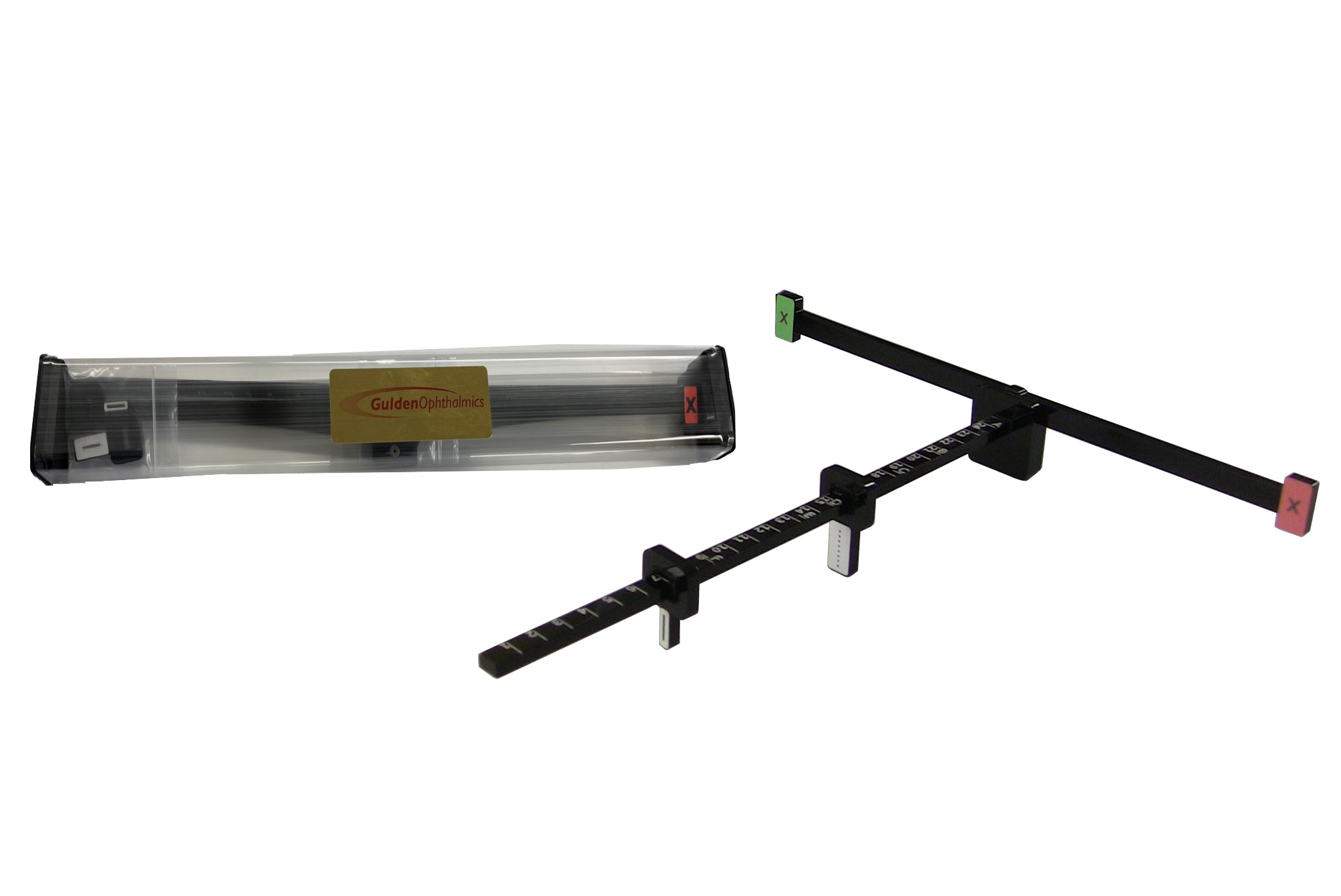
Interested in using the Oculomotor Assessment Tool utilized in this study for more standardized assessment:
 |
Here is the original publication with normative data for interpretation:
 |
Foundations of Concussion Management for the Rehab Professional
If you are ready to jump right in, please select the link below!




Responses